AI Products Need More Than a Good Demo
What I think about when turning AI demos into products people can trust and use.

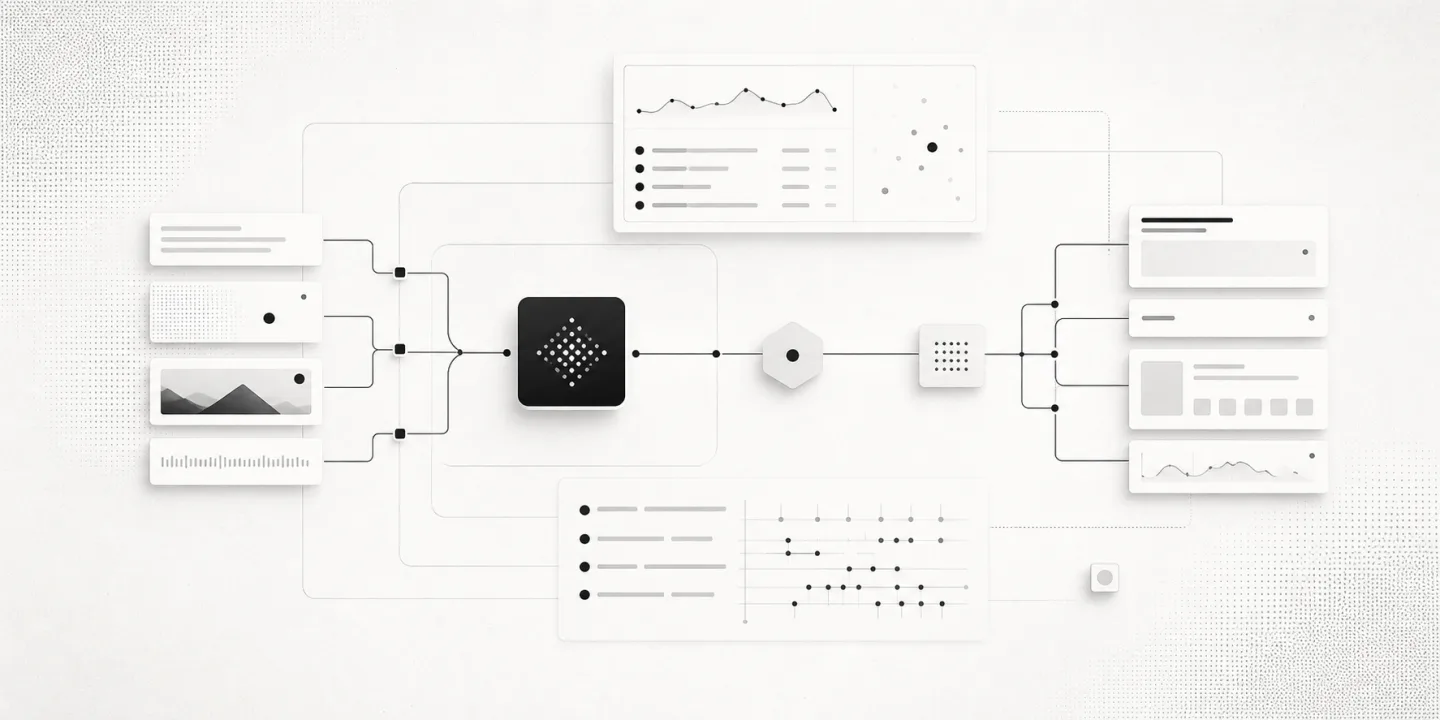
There is a moment in almost every AI project when the demo works and everyone gets excited. The model answers the prompt. The interface feels clean. The room gets quiet for a second because the thing actually did what we hoped it would do.
I like that moment. It is fun. It is also the part I trust the least.
A demo proves that an idea can happen once. A product has to prove that the idea can keep happening when the inputs are messy, the user is tired, the network is slow, and the business rule is hiding in the one document nobody remembers.
That is where the real engineering starts.
The demo is just the invitation
When I build AI features now, I try to separate the impressive part from the useful part. The impressive part is usually easy to spot. It is the generated answer, the polished summary, the "wait, it can do that?" moment.
The useful part is quieter. It is whether the user knows what happened. It is whether we can explain the source of the answer. It is whether bad inputs fail clearly instead of confidently. It is whether support teams can debug an issue without guessing.
I have learned to ask a few boring questions early:
- What should the system refuse to do?
- What does a good answer look like for this domain?
- Where does the data come from?
- How do we know when the model is drifting?
- Who owns the fallback path?
Those questions slow the room down in a good way. They move the work from magic to software.
Production changes the shape of the problem
The hardest part is not always the model. Sometimes it is the ingestion job. Sometimes it is identity. Sometimes it is latency because the clean demo had one user and the real system has thousands. Sometimes it is a tiny permission edge case that turns a useful assistant into a risk.
This is why I like building AI products with the same discipline I would use for any serious application. Logs, retries, access control, queues, evaluation sets, cost visibility, and a clean way to ship updates are not extras. They are the product.
The model is a powerful part of the system, but it is still only one part.
My current rule
If an AI feature cannot survive a week of real usage without someone sitting beside it, it is not done. It might be promising. It might be worth funding. It might be worth showing.
But it is not done.
That mindset keeps me grounded. I still enjoy the demo, but I care more about what happens after. The best AI products I have worked on do not feel like tricks. They feel like dependable tools that happen to be much smarter than the old workflow.
That is the bar I want to keep chasing.