What Hackathons Taught Me About Scope
What short build cycles taught me about choosing the smallest complete version of an idea.

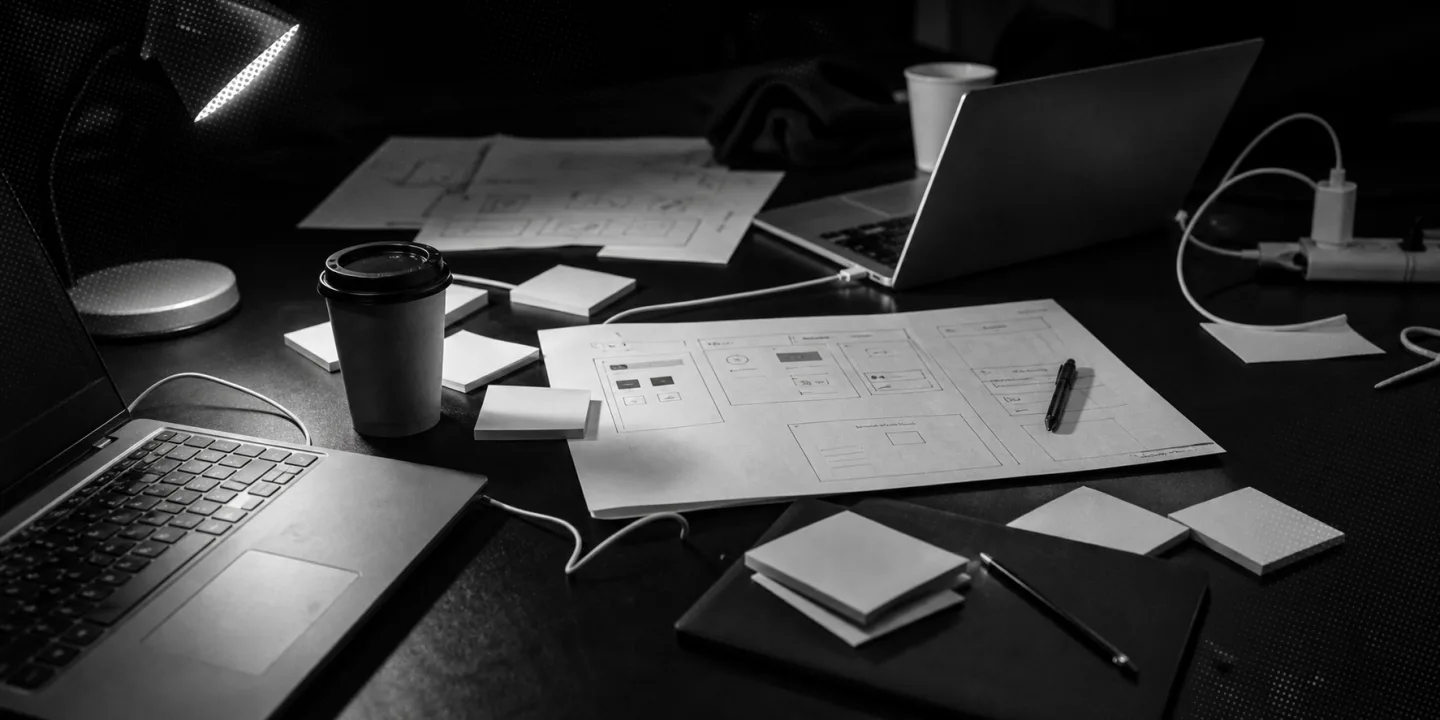
Hackathons taught me that scope is a design skill.
When you only have a short window to build something, you learn quickly that ideas are cheap and clarity is expensive. Everyone can imagine a big product. The hard part is choosing the smallest version that still feels complete.
That lesson has followed me into real product work.
The first hour decides a lot
In a hackathon, the first hour can either save the team or quietly destroy the weekend.
If the team spends too long chasing the perfect idea, time disappears. If the team jumps into code without deciding the story, the demo becomes a pile of features. If nobody owns the final presentation, the product may work but still feel unclear.
The best teams I have been part of make a few decisions early:
- Who is the user?
- What pain are we solving?
- What is the one flow we need to prove?
- What can be mocked without lying?
- What will we cut if we are behind?
Those questions are not exciting, but they create momentum.
A finished small thing beats an unfinished big thing
This sounds obvious until you are in the middle of building.
There is always one more feature that would make the product feel more real. There is always one more integration that would impress people. There is always one more screen that seems necessary.
Most of the time, it is not necessary.
The strongest hackathon demos usually have one clean path. They make the problem obvious, show the solution clearly, and leave the audience with a specific memory.
That is good product thinking.
Constraints create taste
Because the timeline is tight, hackathons force you to decide what matters. You cannot hide behind a huge roadmap. You have to choose.
I think that constraint builds taste. It teaches you to value flow, naming, pacing, and the small details that help people understand the product quickly.
It also teaches humility. Sometimes the clever technical piece is not what the user needs to see. Sometimes the simple part matters more.
I still use the lesson
Even outside hackathons, I ask myself: what is the demo path?
Not because every product is a demo, but because every product needs a clear core. If I cannot explain the useful path, I probably do not understand the product yet.
Scope is not just about doing less. It is about protecting the part that matters.